
Forklift Trucks - Safe Handling of Propane (LPG) Fuel
On this page
What should an operator do when handling a propane fuel cylinder?
Back to topLPG stands for Liquid Petroleum Gas.
- Before handling the cylinder, make sure the valve is properly closed.
- Handle the cylinder gently. Inspect the cylinder for damage before each use, and after it is dropped, dented, or impacted.
- Always protect the valve from damage.
- Avoid skin contact with liquid propane as it may cause frostbite.
- Wear the appropriate protective gloves while connecting or disconnecting a cylinder to equipment.
- Exchange removable cylinders outdoors or in well-ventilated areas, away from sources of ignition.
- Close the cylinder valve before disconnecting the cylinder from forklifts.
- Make sure that only qualified persons repair cylinders and forklift fuel systems.
- For repairs, use only components that agencies such as the CSA Group (Canadian Standards Association) have approved.
What steps should operators follow when changing fuel tanks?
Back to topProcedure for changing propane (LPG) cylinders:
- Park the forklift in a low-traffic and well-ventilated area. Put forklift controls
into the neutral position. Lower the forks to the ground and apply the
parking brake. - Wear eye protection and gloves such as leather or insulated neoprene.
- With the forklift engine running, dismount the forklift and close the valve on
the cylinder. - Run the engine until it is out of fuel, and it stops. This step ensures that the fuel supply hose is empty.
- Turn the ignition key to the off position.
- Disconnect the fuel supply hose from the cylinder.
- Undo the latch or straps that secure the cylinder to the forklift.
- Remove the empty cylinder using both hands (empty cylinders can be
heavy). - Inspect the replacement cylinder for damage. Do not use damaged
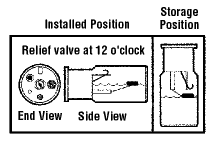
cylinders. Tag them for repair and store them safely. - Lift the replacement cylinder into position using a proper lifting technique. Adjust the cylinder until it is properly aligned with the positioning pin to ensure the pressure relief valve is orientated correctly.
- Secure the cylinder to the forklift.
- Connect the fuel supply hose to the cylinder. Do not use tools because the
valve is designed to be tightened by hand. - Open the valve on the cylinder slowly and check for leaks. A one to two-second hissing sound is normal and any longer indicates a leak. If available, use a soap and water solution or a leak detector.
- Smell(for a rotten egg smell)
- Listen (for gas escaping or hissing)
- Look (for frost or bubbles if using a solution)
- If you detect a leak, close the valve and:
- Remove the hose, and check the valve and hose connections for dirt and debris.
- Reconnect the hose and check for leaks again. If the leak persists, try a fresh cylinder.
- Reconnect the hose and check for leaks again. If the leak persists, put the forklift out of service.
- Tag any defective cylinders, hoses, or components for repair by qualified persons.
- If no leaks are detected, slowly open the valve fully.
- Make sure the hose is not kinked, twisted, or unsafely sticking out from the forklift.
- Start the engine and resume operation.
What should an operator not do when changing a propane tank (cylinder)?
Back to top- Do not use damaged cylinders. Tag them for repair or disposal.
- Do not operate forklifts that appear to have incomplete or improper repairs to the fuel system.
- Do not use metal tools when changing a cylinder.
- Do not use excessive force when opening or closing the valve.
- Do not let the cylinder get too hot or be exposed to excessive heat.
- Do not drag, drop, roll or slide the cylinder or allow it to bang against other objects.
- Do not use matches or a flame to check for leaks. Use soap or a leak detector.
- Do not mount more LPG cylinders on the forklift than the truck was designed to hold.
- Do not smoke when handling the cylinder or in the storage area.
How should propane cylinders be stored?
Back to top- Store the cylinder in an upright position and in a well-ventilated area, away from ignition sources and excessive temperatures, where it can be secured and is protected from being struck.
- Protect cylinders from tipping over or falling. Use a chain or adequate support system. Consider securing each cylinder separately to prevent other cylinders from falling.
- Do not store cylinders or park the forklift close to heat sources, doorways, aisles, elevators, stairways, and exits.
- Fact sheet last revised: 2023-05-18