
Powered Hand Tools - Pneumatic Nailing and Stapling Tools
On this page
What general safety principles should you follow when using pneumatic nailing and stapling tools?
Back to top- Permit only experienced and trained people to operate pneumatic nailing and stapling tools.
- Wear safety glasses or goggles, or a face shield (with safety glasses or goggles) and, where necessary, use hearing protection.
- Inspect each tool before connecting it to the air supply:
- Check tool safety mechanisms if applicable.
- Tighten all screws and cylinder caps securely.
- Check for correct air supply and pressure before connecting a tool.
- Check that the tool is correctly and securely connected to the air supply hose, in good working order, and has a fully operating safety mechanism before using.
- Always handle a tool as if it is loaded with fasteners (nails, staples, etc.).
- Equip tools with a work-contacting element that limits the contact area to one that is as small as practical.
- Make sure that the mechanical linkage between work-contacting element and trigger is enclosed.
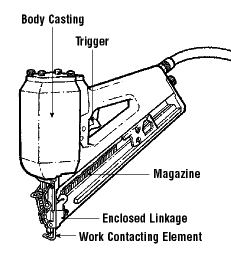
- Disconnect tool from air supply when not in use and during cleaning or adjustment. Before clearing a blockage, be sure to depress the trigger to exhaust all air from the tool.
- Use only fasteners recommended by the manufacturer.
- Permit only properly trained people to carry out tool maintenance.
What should you avoid when using pneumatic nailing and stapling tools?
Back to top- Do not point the tool toward yourself or anyone else whether it contains fasteners or not.
- Do not operate at a pressure above the manufacturers' rating.
- Do not depress the trigger unless the nose piece of tool is directed onto a safe work surface.
- Do not carry a tool with the trigger depressed.
- Do not load a tool with fasteners while the trigger is depressed.
- Do not overreach. Keep proper footing and balance.
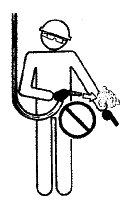
- Do not use compressed air to blow debris or to clean dirt from clothes.
Refer to Powered Hand Tools - Basic Safety for Pneumatic Tools for general safety tips for using tools powered by compressed air.
- Fact sheet confirmed current: 2019-08-15
- Fact sheet last revised: 2013-12-20